




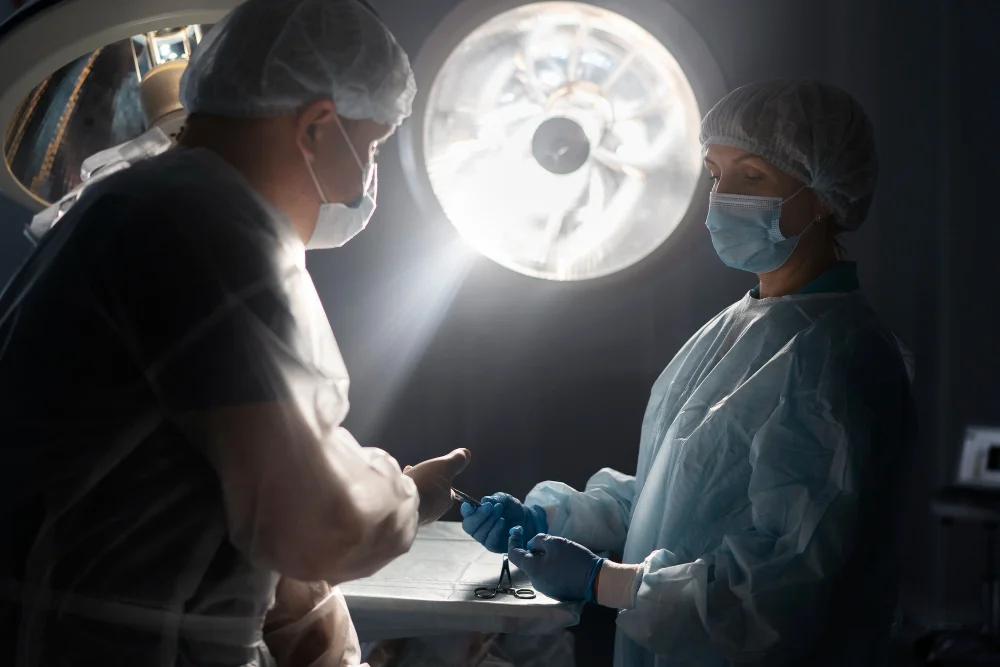
Latest innovations in surgical and wound care products
Surgical Care Innovations
1. AI-Powered Surgical Planning and Robotics
- Artificial Intelligence (AI) now revolutionizes surgical planning and real-time support. Algorithms analyze complex patient data and imaging to create personalized, optimized surgical plans, increasing precision while reducing complications.
- Robotic Surgery Systems have become more affordable and accessible, with miniaturized units like the MIRA system enabling minimally invasive surgery in facilities of all sizes. Such technologies have improved recovery times and reduced surgical risks.
2. Augmented Reality (AR) and Virtual Surgical Environments
- AR-guided procedures provide surgeons with immersive, real-time 3D guidance during complex operations. This supports education and boosts precision, especially for joint replacement and reconstructive surgeries.
- Virtual surgical planning lets teams rehearse and optimize complex surgeries before the patient enters the operating room.
3. Advanced Surgical Monitoring
- New Brain Monitoring Devices such as the Brain Anaesthesia Response Monitor (BARM™) offer real-time insights into a patient’s level of consciousness and pain during surgery, improving anesthesia safety and patient outcomes.
4. Smart Implants and Personalized Devices
- Orthopedic implants feature advanced biomaterials (like biodegradable magnesium alloys) and custom 3D-printed designs, promoting better bone growth and reducing the need for additional surgeries.
Wound Care Innovations
1. Smart Wound Dressings
- Sensor-embedded “smart” dressings track pH, temperature, and moisture. These advanced dressings provide immediate feedback on healing progress and can alert providers to infection risks, automatically releasing antimicrobial agents when needed.
- Materials such as hydrogels and foams now incorporate sensors and deliver targeted medications in response to wound conditions.
2. Bioengineered Tissues & Regenerative Solutions
- Bioengineered skin substitutes and regenerative therapies, including stem cell-based treatments, are accelerating recovery for complex wounds. These products mimic real skin structure and function, supporting rapid and natural healing for chronic or hard-to-heal wounds.
3. Nanotechnology & Drug Delivery
- Antimicrobial nanomaterials (like silver nanoparticles) are now integrated into wound dressings, providing enhanced infection control and promoting faster tissue regeneration.
- Nanofiber and hydrogel implants can deliver growth factors and drugs directly to the wound site, tailored to patient needs.
4. Non-invasive Imaging and AI Diagnostics
- Next-generation imaging—like optical coherence tomography—enables detailed evaluation of wound depth, vascularization, and healing, all without biopsy.
- AI-powered assessment tools analyze wound images, predict healing times, and recommend personalized care plans, increasing treatment effectiveness.
5. Negative Pressure and Oxygen Therapies
- Modern negative pressure wound therapy (NPWT) devices and hyperbaric oxygen solutions are more portable and effective, accelerating healing even in complex or chronic wounds.
At a Glance: Table of Key Innovations
| Area | Latest Innovations (2025) |
|---|---|
| Surgical Care | AI-guided planning, miniaturized robotics (MIRA), AR-enabled navigation, smart anesthesia monitoring |
| Wound Care | Sensor-equipped and nanotech dressings, smart drug delivery, bioengineered tissue, 3D printing, NPWT, AI tools |
These breakthroughs are setting new standards for safety, efficiency, and patient outcomes in both surgery and wound management, driving a shift towards more personalized, connected, and data-driven care across healthcare facilities.